


Ecological Impacts of Artificial Lighting on Anurans.
- Molly Mannion
- Dec 4, 2018
- 2 min read
Updated: Apr 30, 2019
Alex Harcourt, an Msc student in Bangor University gave an interesting introduction to his Masters research on the impacts of artificial light on anuran species.
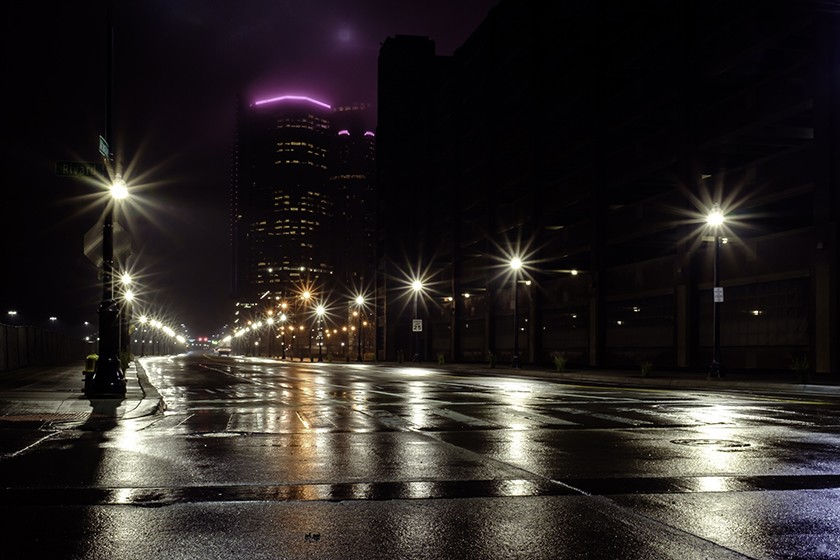
The whole of the UK is polluted with artificial light from street lights, lighting from homes and from cars. The range in light intensity can have drastic effects on wildlife and specifically nocturnal species that rely on low light to function.
Most anuran (frog) species are nocturnal, specifically tree frogs which have very sensitive vision which can be impaired by high levels of light.
Amphibians are also phototaxic, which means they are drawn to light which can cause issues during breeding season, leading to decreased metamorphic time and decreased overall adult weight mass.
Anuran species are reported to suffer most from 400-500m wavelengths of light as this is the area of vision for nocturnal animals. This wavelength is present in most streetlights, with the exception of low-pressure sodium bulbs.
Light at the end of the tunnel?
Unfortunately, these bulbs are being replaced by LED's which are more intense and have a worse effect on wildlife. A creative solution for these bulbs would be to place filters over the bulbs to shift the wavelength to reduce the impacts on wildlife.
Alex's study aims to assess the effect of these filters to justify their use, by testing;
1. Cuban tree frogs, Osteopilus septentrionalis
2. Squirrel tree frogs, Hyla squirella
He tested each species under;
a. white light
b. filtered light
c. ambient foraging illumination.
These two species were chosen as they are already kept in Bangor University, and they are also natural competitors in the wild.
Osteopilus septentrionalis is an invasive species to Florida and has extreme tolerance to predation and artificial light, and predates on Hyla squirella and as a bonus question to his thesis Alex aims to compare the competitive abilities of the two species in relation to light intensity.


On the left is the Cuban tree frog, Osteopilus septentrionalis and on the right is the squirrel tree frog, Hyla squirella.
The Cuban tree frog is a natural predator of the squirrel tree frog
Some interesting questions that came up during the seminar were;
What is artificial light like in Florida and what bulbs are used? Is this comparable for these species?
Is it justifiable to use captive bred frogs? Could they have learnt do deal with intensive light in captivity and therefore not reflect natural responses?
Why not use native species and conduct a natural field study?
Summary
This study shows some promise to shed light on the effects of human disturbance on wildlife and anuran species which can build on the current knowledge we have including noise disturbance (research extensively done by Graeme Shannon, Alex's Master's supervisor). This talk also inspired me to start thinking about my own Master's research ideas and to connect with lecturers in Bangor and other universities to discuss possible research avenues.


Comments